Nike Socks and 100% Cotton: What to Know
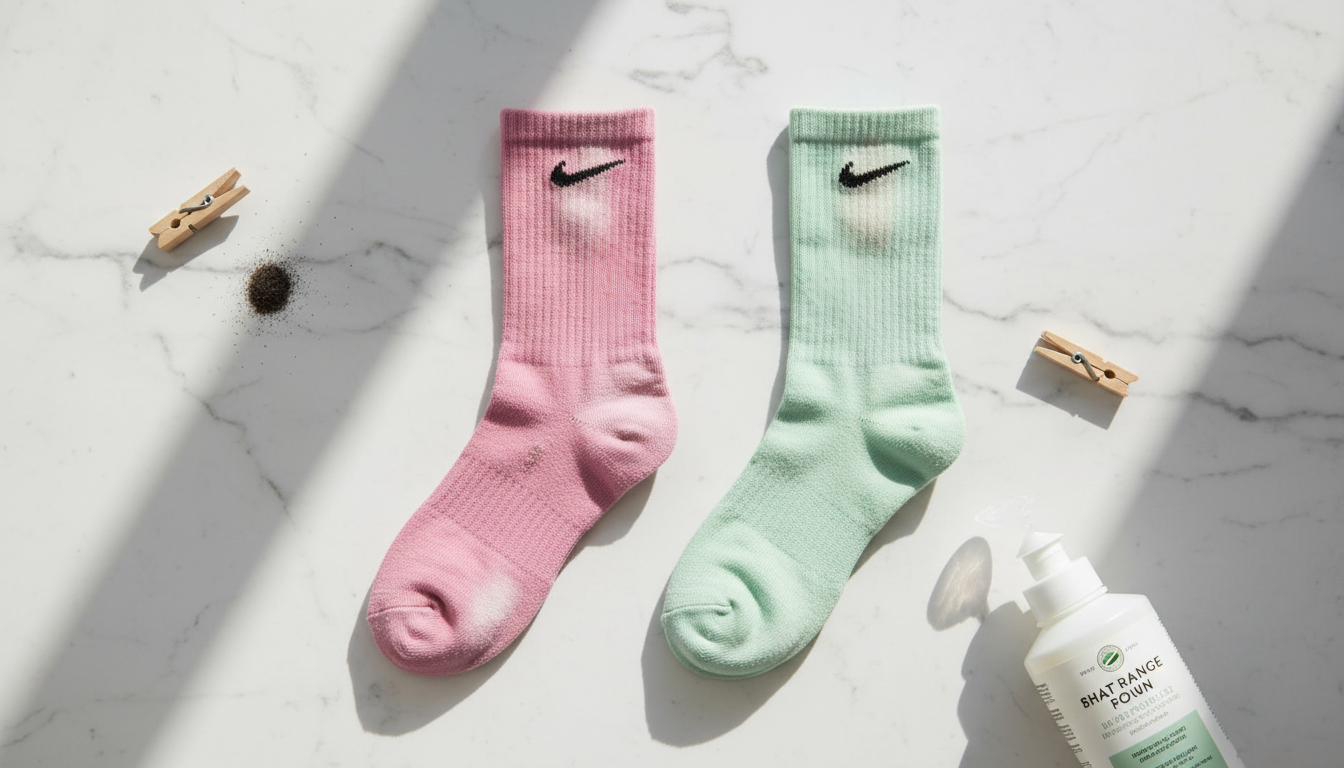
Are any Nike socks 100% cotton?
Most Nike socks are not 100% cotton. Nike typically blends cotton with polyester, nylon, and a small amount of elastane/spandex to improve stretch, shape retention, moisture management, and durability. Even styles that feel “mostly cotton” often include synthetics for cushioning structure and to help the sock stay up after repeated washes.
Why it’s uncommon to find 100% cotton Nike socks
Pure cotton tends to hold moisture and can lose its shape faster than a blend. For everyday wear, training, and running, Nike leans on performance features—arch support, targeted cushioning, and sweat control—that are easier to deliver with mixed fibers. That’s why you’ll commonly see cotton-rich options rather than truly all-cotton builds.
How to check if a specific pair is 100% cotton
The only reliable way is to read the fiber content on the packaging, product page, or the inside label. Look for a breakdown like “Cotton / Polyester / Spandex.” If the label doesn’t say “100% cotton” explicitly, it isn’t. Also note that fiber content can vary by colorway or production run, so double-check the exact SKU you’re buying.
What to buy if you want the feel of cotton
If the goal is a soft, classic feel, choose cotton-blend Nike socks with a high cotton percentage. They’ll still feel familiar underfoot while offering better stretch and longer wear than pure cotton. For a deeper breakdown of fabric mixes and what to look for on labels, visit the main guide on Nike cotton socks.
For Nike Socks and 100% Cotton: What to Know, the best answer depends on fit, material, care instructions, and how the product will be used day to day.
Checking those details first helps avoid a poor match and keeps the choice practical after delivery.
FAQ
What are the best materials for socks if I sweat a lot?
Merino wool and synthetic performance blends (polyester/nylon with elastane) tend to manage moisture better than cotton. They dry faster and help reduce that damp feeling during long days or workouts.








Leave a comment